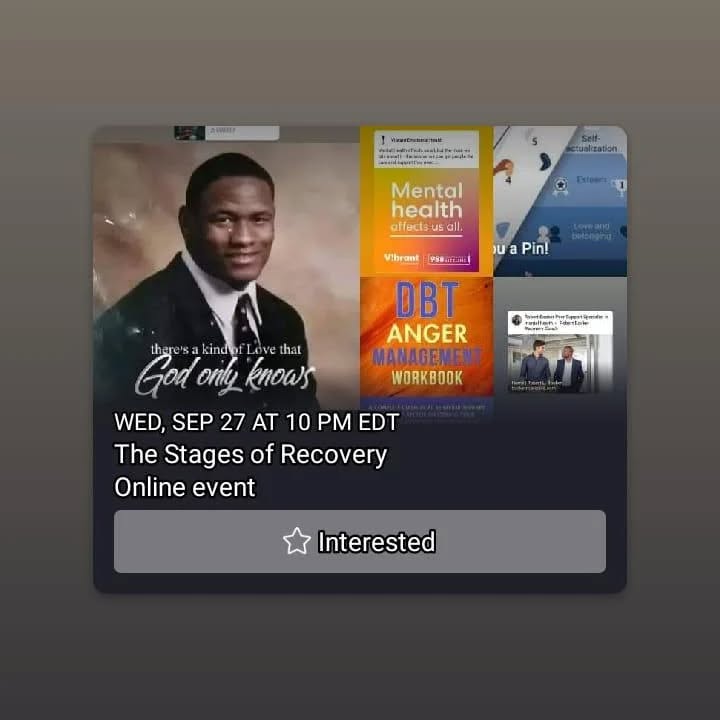


Dr Robert L Booker Expertise in DBT CBT and RBT Therapy for Lasting Personal Growth

Therapy works best when it gives people more than insight. It should offer practical skills, a clear plan, and steady support when life feels difficult to manage. That is where Dr. Robert L. Booker’s training in Dialectical Behavior Therapy, Cognitive Behavioral Therapy, and Registered Behavior Technician principles stands out.
His approach brings together three respected methods: DBT for emotional regulation and relationship skills, CBT for changing unhelpful thought and behavior patterns, and RBT-informed strategies for building measurable, real-world progress. Together, these tools can help individuals move from feeling stuck to practicing new responses with confidence.
This article is for informational purposes only and is not a substitute for mental health care, diagnosis, or treatment from a licensed professional.

A well-rounded foundation in DBT, CBT, and RBT
Dr. Booker’s work reflects a practical belief: people change best when therapy is both compassionate and structured. His training and certification in DBT, CBT, and RBT give him a broad set of tools for clients with different needs.
Each method serves a different purpose.
Approach | Main focus | How it can help |
DBT | Emotions, distress, relationships, and self-control | Helps clients pause, regulate intense feelings, and respond more effectively |
CBT | Thoughts, beliefs, behaviors, and patterns | Helps clients identify unhelpful thinking and build healthier habits |
RBT | Behavior skills, observation, and reinforcement | Helps break goals into clear steps and track real progress |
This blend allows Dr. Booker to adapt therapy to the person, not force the person into one model. Some clients need help naming and managing emotions. Others need to challenge harsh self-talk. Some benefit from behavior plans, skill rehearsal, or caregiver involvement.
The strength of this combined approach is its flexibility. It can support people working through anxiety, mood concerns, stress, behavioral challenges, relationship conflict, life transitions, and struggles with motivation or self-regulation.
DBT helps clients build emotional control without shame
Dialectical Behavior Therapy, often called DBT, was developed to help people manage intense emotions, impulsive reactions, and relationship strain. It is known for balancing acceptance with change. That balance matters because many clients arrive in therapy feeling judged, overwhelmed, or tired of being told to “just calm down.”
DBT does not treat emotions as the enemy. It teaches people how to understand emotions, tolerate distress, and choose a response that fits their values.
Dr. Booker’s DBT-informed work often centers on four skill areas:
Mindfulness
Clients practice noticing thoughts and emotions without immediately reacting to them.
Distress tolerance
Clients learn how to get through difficult moments without making the situation worse.
Emotion regulation
Clients identify triggers, reduce emotional vulnerability, and build steadier routines.
Interpersonal effectiveness
Clients practice asking for what they need, setting limits, and handling conflict with more confidence.
A person who often shuts down during conflict may learn to pause, name the emotion, and use a prepared communication skill. Someone who reacts quickly when overwhelmed may learn grounding tools that create enough space to make a better choice.
The goal is not perfection. The goal is more control in the moments that used to feel automatic.
CBT turns unhelpful patterns into workable goals
Cognitive Behavioral Therapy, or CBT, is one of the most widely used evidence-based therapy approaches. It focuses on the link between thoughts, feelings, and behaviors. When one part of that cycle changes, the rest can begin to shift.
For example, a person who thinks, “I always fail when I try,” may avoid new opportunities. Avoidance can bring short-term relief, but it often strengthens fear and self-doubt. CBT helps clients examine that thought, test it against evidence, and replace it with a more balanced view.
That replacement is not forced positivity. CBT works best when it stays realistic.
A healthier thought might sound like, “I have struggled before, but I can prepare, ask for support, and take one step.” That shift can make action feel possible.
Dr. Booker’s CBT work may include:
Identifying repeated thought patterns
Challenging all-or-nothing thinking
Building routines that support mood and focus
Practicing gradual exposure to avoided situations
Tracking behaviors that improve or worsen symptoms
Replacing self-criticism with accurate self-assessment
CBT is especially helpful because it gives clients a shared language for change. Instead of saying, “I am broken,” a client can begin to say, “I am stuck in a pattern, and I can work on that pattern.”
That distinction can be life-changing.

RBT training brings structure to behavior change
RBT stands for Registered Behavior Technician. The RBT credential is commonly connected with applied behavior analysis and requires training, competency assessment, and ongoing supervision within its standard practice structure. While RBTs do not diagnose or independently design treatment plans, RBT training gives professionals valuable tools for observing behavior, teaching skills, and using reinforcement in careful ways.
For Dr. Booker, RBT-informed principles can strengthen therapy by making goals more specific and measurable.
Instead of only asking, “Do you feel better?” a behavior-focused approach may ask:
What skill is the client trying to build?
What situation triggers the current behavior?
What happens before and after the behavior?
What replacement behavior would be healthier?
How will progress be tracked?
What kind of support increases success?
This structure can be helpful for children, adolescents, adults, and families who need practical steps. It can also support clients who feel discouraged by vague goals.
For example, “communicate better” is a good hope, but it is not yet a clear plan. A more useful goal might be, “Use one calm request during a disagreement at least twice this week.” That goal can be practiced, measured, and adjusted.
RBT-informed work also helps identify what reinforces behavior. People often repeat behaviors because those behaviors meet a need, such as escape, attention, comfort, control, or sensory relief. When therapy identifies that need, clients can learn healthier ways to meet it.
Dr. Booker’s unique method combines skills, practice, and accountability
The value of Dr. Booker’s approach is not only in the methods he uses. It is in how he combines them.
Many clients do not need a single technique. They need the right sequence of support. A client may first need DBT skills to reduce emotional intensity. Then CBT can help challenge the belief that fuels the distress. RBT-informed strategies can turn the new insight into daily practice.
This creates a clear path:
Understand the pattern
What happens, when it happens, and what keeps it going?
Build the skill
Which DBT, CBT, or behavior strategy fits the problem?
Practice in real life
How can the client try the skill between sessions?
Review the results
What improved, what got in the way, and what needs adjustment?
Repeat with support
How can the new behavior become more natural over time?
This method respects the client’s lived experience while keeping therapy active. Sessions are not only conversations about pain. They become planning spaces where growth is practiced, tested, and strengthened.
Dr. Booker’s style can be described as structured, skills-based, and person-centered. He may use worksheets, behavior tracking, role-play, mindfulness exercises, thought records, coping plans, caregiver coaching, or values-based goal setting, depending on the client’s needs.
That variety helps therapy stay useful outside the session room. A skill only matters if it can be used in a hard conversation, a stressful morning, a classroom challenge, a workplace pressure point, or a moment of self-doubt.

Success stories show what practical therapy can make possible
Client privacy matters. The following examples are anonymized and composite in nature, reflecting common patterns of progress seen when DBT, CBT, and RBT-informed strategies fit a client’s goals. Results vary, and no therapy approach can guarantee a specific outcome.
A young adult learned to manage emotional spikes
One young adult came to therapy after repeated conflicts with family and friends. Small disagreements quickly felt unbearable. The client often reacted by withdrawing, sending angry messages, or ending conversations abruptly.
DBT skills became the starting point. The client practiced naming emotions, rating intensity, and using distress tolerance tools before responding. CBT helped identify the thought, “If someone is upset with me, they will leave.” That belief had made every disagreement feel urgent and dangerous.
Over time, the client began using a pause plan before replying. They practiced direct statements such as, “I need a few minutes, but I do want to talk.” The change did not remove conflict, but it reduced damage and increased trust.
A parent found a clearer way to support behavior at home
A parent sought help because daily routines had become a source of stress. Morning transitions, homework, and bedtime led to repeated arguments. The family felt trapped in a cycle of reminders, frustration, and guilt.
RBT-informed strategies helped break routines into smaller steps. The family identified triggers, adjusted expectations, and used consistent reinforcement for specific behaviors. Instead of focusing only on what went wrong, they began tracking what worked.
The parent also learned DBT-based emotion regulation skills. That mattered because caregiver stress can shape the whole interaction. With a calmer response and a clearer plan, the home routine became more predictable.
An adult with anxiety rebuilt confidence through CBT
Another client struggled with avoidance. They turned down opportunities, delayed important tasks, and felt embarrassed by their fear. CBT helped map the anxiety cycle: anxious thought, physical discomfort, avoidance, temporary relief, and stronger fear later.
Together, the work focused on realistic thinking and gradual steps. The client practiced small exposures, reviewed outcomes, and learned to separate discomfort from danger.
Progress came through repetition. The client did not wait until anxiety disappeared. They learned to act while anxious, then discovered they could handle more than they expected.
How these approaches support lasting personal growth
The phrase “personal growth” can sound vague, but in therapy it becomes concrete. Growth may mean sleeping better, speaking up sooner, recovering faster after stress, completing tasks, repairing relationships, or treating oneself with more fairness.
DBT, CBT, and RBT support that growth in different but connected ways.
DBT helps clients ask, “What skill can I use in this intense moment?”
CBT helps clients ask, “What thought pattern is shaping how I feel and act?”
RBT-informed work helps clients ask, “What behavior can I practice, measure, and strengthen?”
Together, these questions turn therapy into a learning process. Clients gain insight, but they also gain tools. They learn why patterns happen and how to respond differently the next time.
For many people, that is the difference between understanding a problem and changing it.
What to expect from a skills-based therapy process
A strong therapy process usually begins with assessment. Dr. Booker may explore symptoms, stressors, history, strengths, goals, and current coping patterns. From there, he can match the therapy approach to the client’s needs.
A typical skills-based process may include:
Clear treatment goals
Regular review of progress
Practice between sessions
Honest discussion about barriers
Tools that fit the client’s daily life
Adjustments when a strategy is not working
The process is collaborative. The therapist brings clinical training. The client brings personal experience. Strong therapy respects both.
Clients seeking therapy options often look for someone who can listen deeply while also providing direction. Dr. Booker’s combined training in DBT, CBT, and RBT offers that mix. His approach is grounded in care, but it also asks clients to practice new skills in real situations.
That is where lasting change often begins.

A grounded path toward change
Dr. Robert L. Booker’s expertise in DBT, CBT, and RBT therapy reflects a practical and professional approach to personal growth. DBT brings emotional balance and relationship skills. CBT helps clients challenge patterns that keep them stuck. RBT-informed strategies add structure, measurement, and steady behavior change.
The result is therapy that does more than explore problems. It builds skills, tests new responses, and supports progress that can show up in daily life.
For individuals seeking therapy options, this kind of integrated care offers a clear message: change is not limited to insight alone. With the right support, it can be practiced one step at a time.

Comments