


Dr. Robert Booker

Dr. Robert Booker

Dr. Robert Booker
Dr. Robert Booker
Drug addiction recovery groups are voluntary associations of people who share a common desire to overcome their drug addiction. Different groups use different methods, ranging from completely secular to explicitly spiritual. Some programs may advocate a reduction in the use of drugs rather than outright abstention. One survey of members found active involvement in any addiction recovery group correlates with higher chances of maintaining sobriety.[1]
Although there is not a difference in whether group or individual therapy is better for the patient, studies show that any therapy increases positive outcomes for patients with substance use disorders.[2] The survey found group participation increased when the individual members' beliefs matched those of their primary support group (many addicts are members of multiple addiction recovery groups).[3] Analysis of the survey results found a significant positive correlation between the religiosity of members and their participation in twelve-step programs (these programs describe themselves as spiritual…
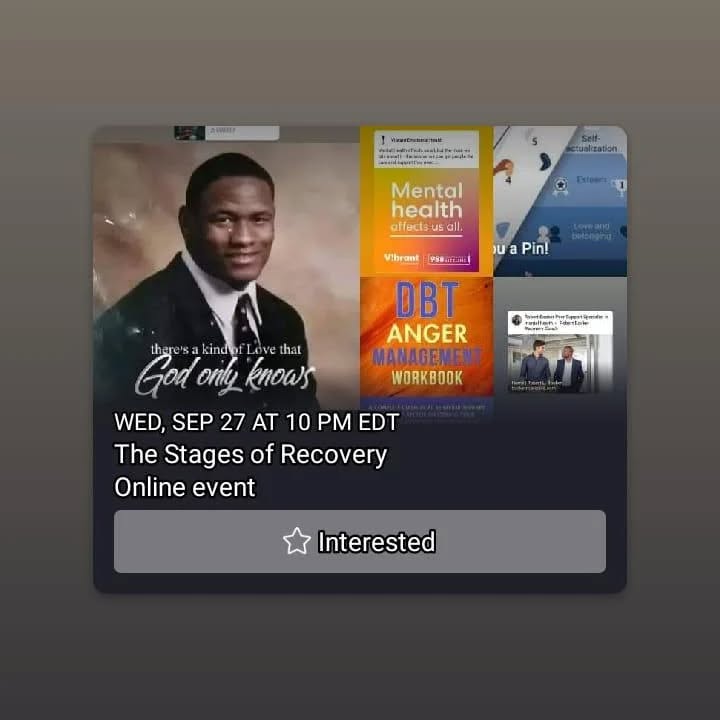
The recovery model, recovery approach or psychological recovery is an approach to mental disorder or substance dependence that emphasizes and supports a person's potential for recovery. Recovery is generally seen in this model as a personal journey rather than a set outcome, and one that may involve developing hope, a secure base and sense of self, supportive relationships, empowerment, social inclusion, coping skills, and meaning.[1] Recovery sees symptoms as a continuum of the norm rather than an aberration and rejects sane-insane dichotomy.
William Anthony,[2] Director of the Boston Centre for Psychiatric Rehabilitation developed a cornerstone definition of mental health recovery in 1993. "Recovery is a deeply personal, unique process of changing one's attitudes, values, feelings, goals, skills and/or roles. It is a way of living a satisfying, hopeful, and contributing life even with limitations caused by the illness. Recovery involves the development of new meaning and purpose in one's life…
Dr. Robert Booker
Dr. Robert Booker
I strongly agree with the idea that recovery is a personal process rather than a single outcome. In addiction treatment, we often focus too much on whether a person has stopped using substances, while the deeper work is about rebuilding identity, relationships, responsibility, coping skills, and a sense of purpose.
In our work in Ukraine, we see that long-term recovery becomes much more stable when the person is supported not only psychologically, but also socially and within the family system.
More about our approach to drug addiction rehabilitation:
https://ninarkotikam.com/ru/reabilitaciya-narkozavisimyh/
I would be interested to know how your community approaches family involvement and social reintegration during the recovery process.